
The Press Creates the Story
Daisy Jones & the SixJournalism first helps define Daisy Jones & The Six as an irresistible collaboration and later turns their hostility into a public spectacle.
increasing Bearing strength in each event
 decreasing
Bearing strength in each eventdecreasingJonah Sees the Chemistry
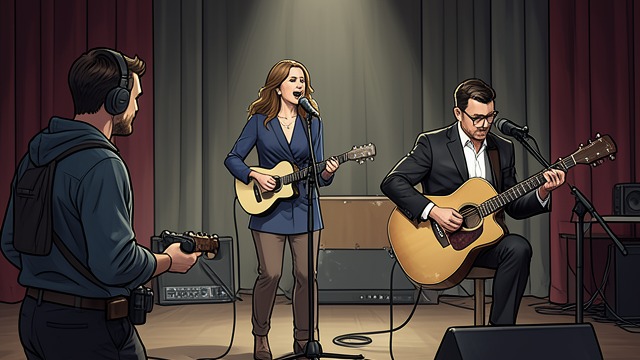
Jonah Sees the Chemistry
A reporter watches closely
Jonah Berg sees Daisy Jones and Billy Dunne perform and recognizes that the band’s strongest identity lies in their vocal combination. He understands the other musicians matter, but the singers capture public attention.
A claim becomes a headline
He writes that Daisy belongs in The Six, framing the collaboration as a group of six that should be seven. The article helps turn an informal partnership into an official one.
A Cover Brings Fame
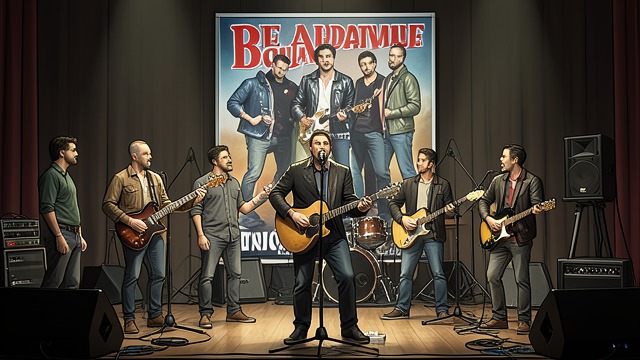
A Cover Brings Fame
An image crystallizes the band
Rolling Stone places Daisy Jones and Billy Dunne at the center of a cover showing the group performing. The headline makes the band’s unusual lineup and chemistry a national story.
Public attention becomes pressure
The cover helps sell records and tickets, but it also increases resentment among members who feel secondary. Daisy gains leverage while Billy must confront a public narrative he did not choose.
An Interview Opens Old Wounds
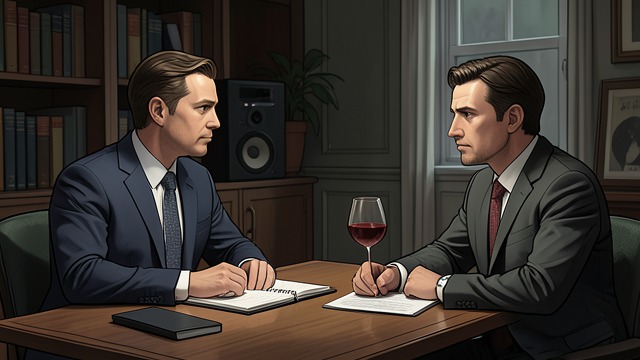
An Interview Opens Old Wounds
A reporter asks directly
Jonah Berg returns expecting to document a successful, collaborative band. Instead, he finds Daisy Jones and Billy Dunne refusing to speak to one another.
Private history becomes material
Daisy reveals Billy’s addiction history, including that he missed Julia’s birth. She regrets exposing information that could hurt his family, but the disclosure has already changed the interview’s direction.
Billy’s Counterattack
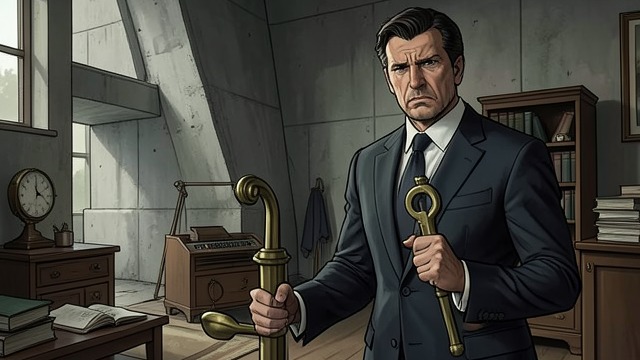
Billy’s Counterattack
A response chosen for effect
When Jonah Berg asks Billy Dunne about Daisy, Billy offers a cutting description of her character and talent. He knows the reporter can print it, even as he tries to protect his family’s privacy.
A marketable feud
Jonah chooses the conflict as the cover story, turning private animosity into a compelling public question. The article sells the band’s work while making reconciliation harder.
The Feud Fuels the Record
The Feud Fuels the Record
Controversy feeds curiosity
The Rolling Stone cover asks whether Billy Dunne and Daisy Jones are rock’s biggest foes. Readers buy the record and tickets partly to witness the singers’ tension firsthand.
Success and damage coexist
The publicity helps Aurora become an event, but it leaves the band feeling exposed and divided. The story that sells their chemistry also hardens the conflict it describes.
1976, after the Glasgow performance
1976, after the Numbers Tour
early 1978, during Aurora rehearsals
early 1978, after Daisy’s interview
June 1978, alongside Aurora’s release
